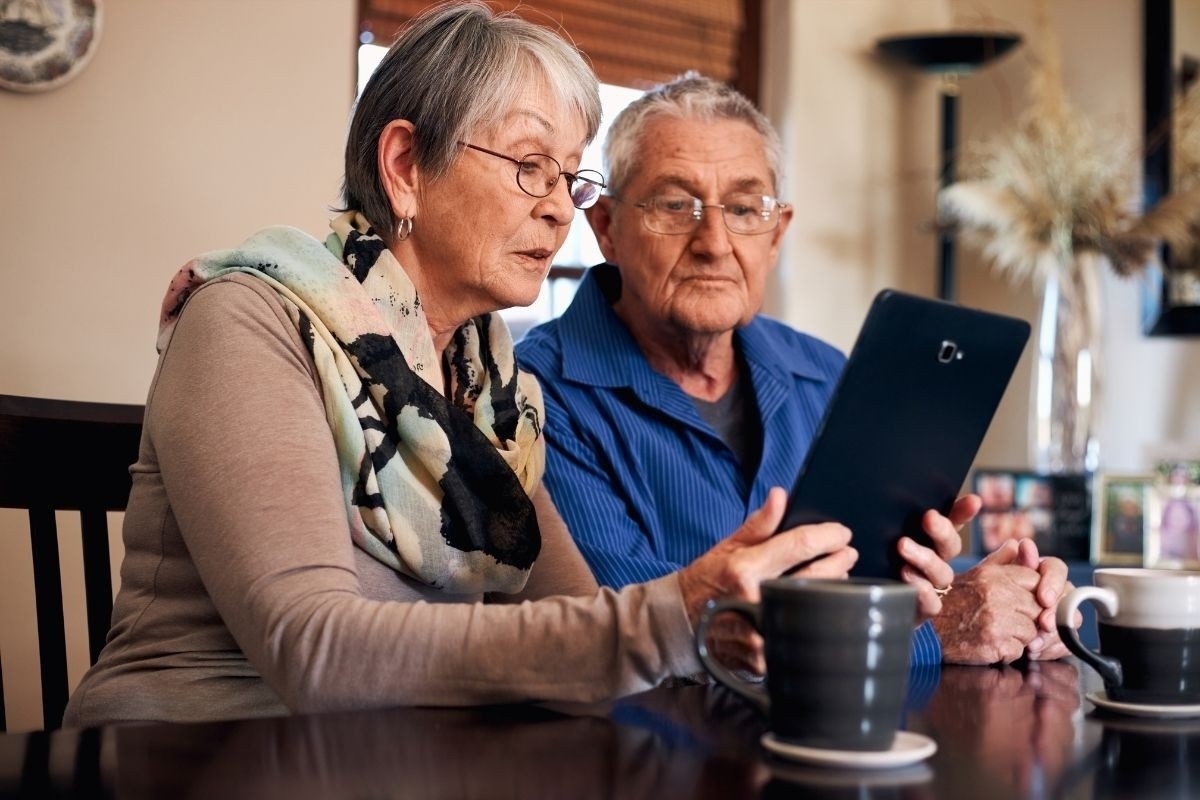
Caring for Aging Parents: Where to Start
A practical, step-by-step guide to recognizing early signs, making decisions, and supporting aging parents at home with confidence.

How to Care for Aging Parents at Home (A Simple, Real-Life Guide)
If you’re here, you may be starting to notice changes in an aging parent—or you’ve already been thrown into caregiving and are trying to figure out what to do next. Either way, you’re not alone, and you’re in the right place.
For many families, caregiving begins gradually:
Missed medications
Changes in routine
A feeling that something isn’t quite right
For others, it happens overnight—a fall, stroke, or diagnosis that changes everything instantly.
And for some, like us, it’s both.
Helping an aging parent can feel overwhelming—but having the right tools and information can make it far more manageable.
I’m not just a caregiver—I have a background in biology and have spent years working in healthcare. Over the past three years, I’ve been navigating this journey with my own parents, learning what actually works (and what doesn’t) in real life.
A few years ago, my father started misplacing things and repeating questions. At first, we brushed it off as normal aging. But over time, the changes became harder to ignore—and we realized he needed more support than we were prepared for.
On this site, you’ll find practical tools, trusted product recommendations, and real-life strategies to help you care for your loved one with more confidence and less stress. If you’re just starting this journey, I’ll help you take it one step at a time.
Steps to Keep Your Loved One Safe, Comfortable, and Independent
If you’re trying to figure out how to care for aging parents at home, it can feel overwhelming fast. Most caregivers are balancing work, family, and a growing list of responsibilities—and it’s hard to know where to start.
The good news is that most families focus on the same core areas first. Once you understand these, caregiving becomes far more manageable.
1. Home Safety
When thinking about how to care for aging parents at home, safety is always the first priority.
For seniors, home safety goes far beyond security systems—it’s about preventing falls and injuries, which are one of the leading causes of hospitalization.
Start with Walking Paths
Focus on the areas your parent uses every day:
Bed → bathroom
Bedroom → kitchen
Kitchen → living room
Entryways and exits
Walk these paths yourself and look for:
Loose rugs
Extension cords
Clutter or stacked items
Uneven flooring or trim
Items sticking out from furniture
Aim for at least 36 inches of clear walking space, especially if a walker is used.
Improve Lighting (Often Overlooked)
Make sure every room is well lit
Replace dim or aging bulbs
Add lamps if overhead lighting is limited
Consider brighter bulbs where safe
Good lighting alone can significantly reduce fall risk.
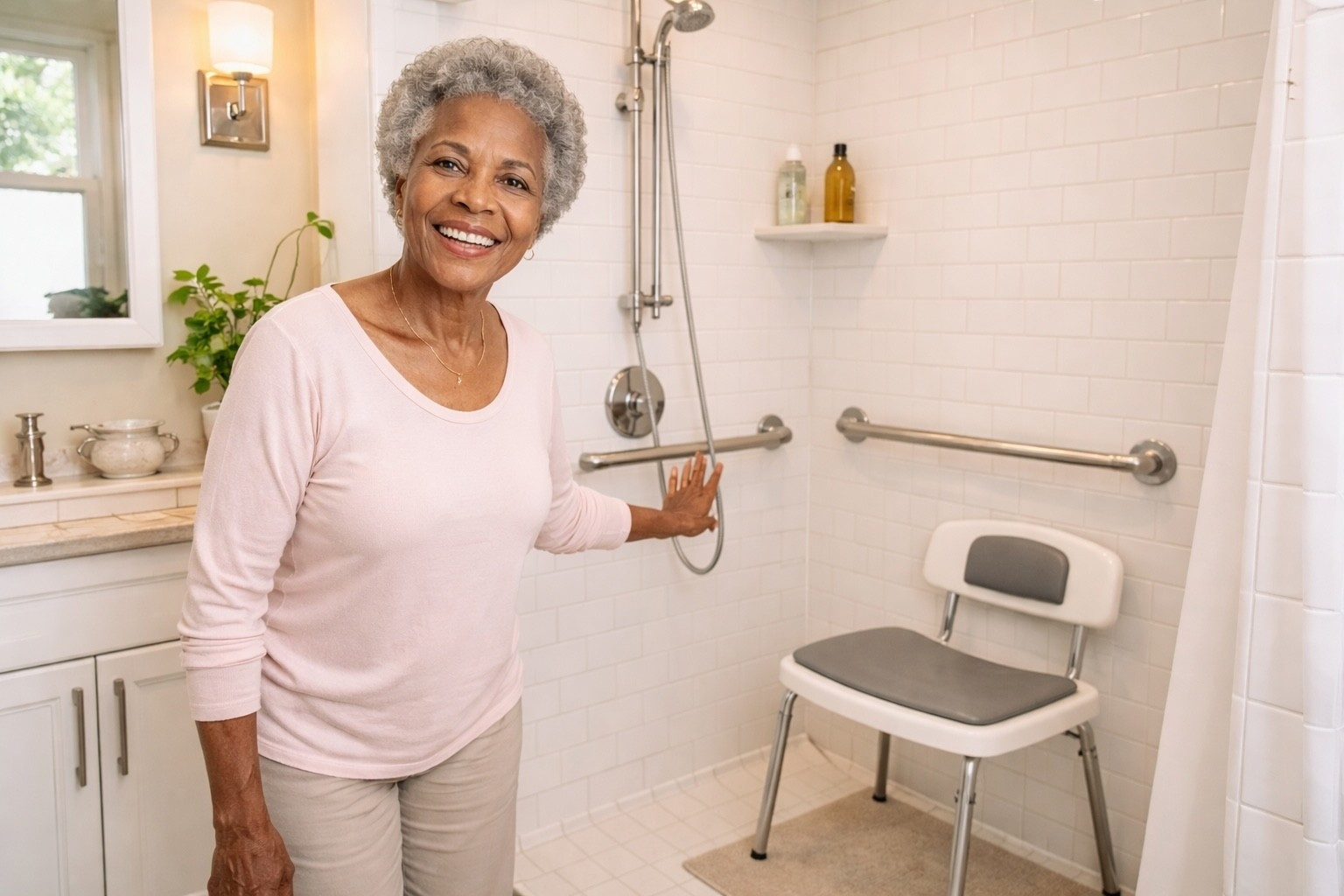
Bathroom Safety (Highest Risk Area)
Small changes in the bathroom can make a huge difference.
Key upgrades:
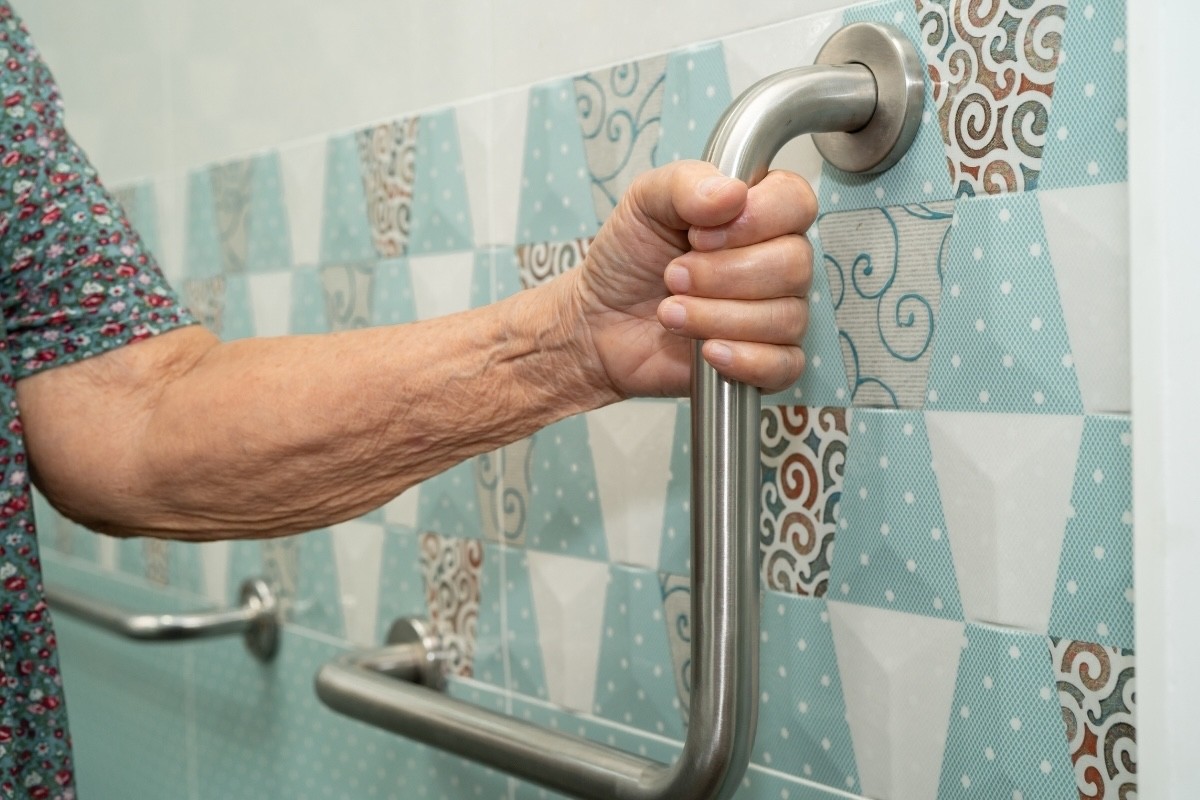
Install grab bars (secured into studs whenever possible)
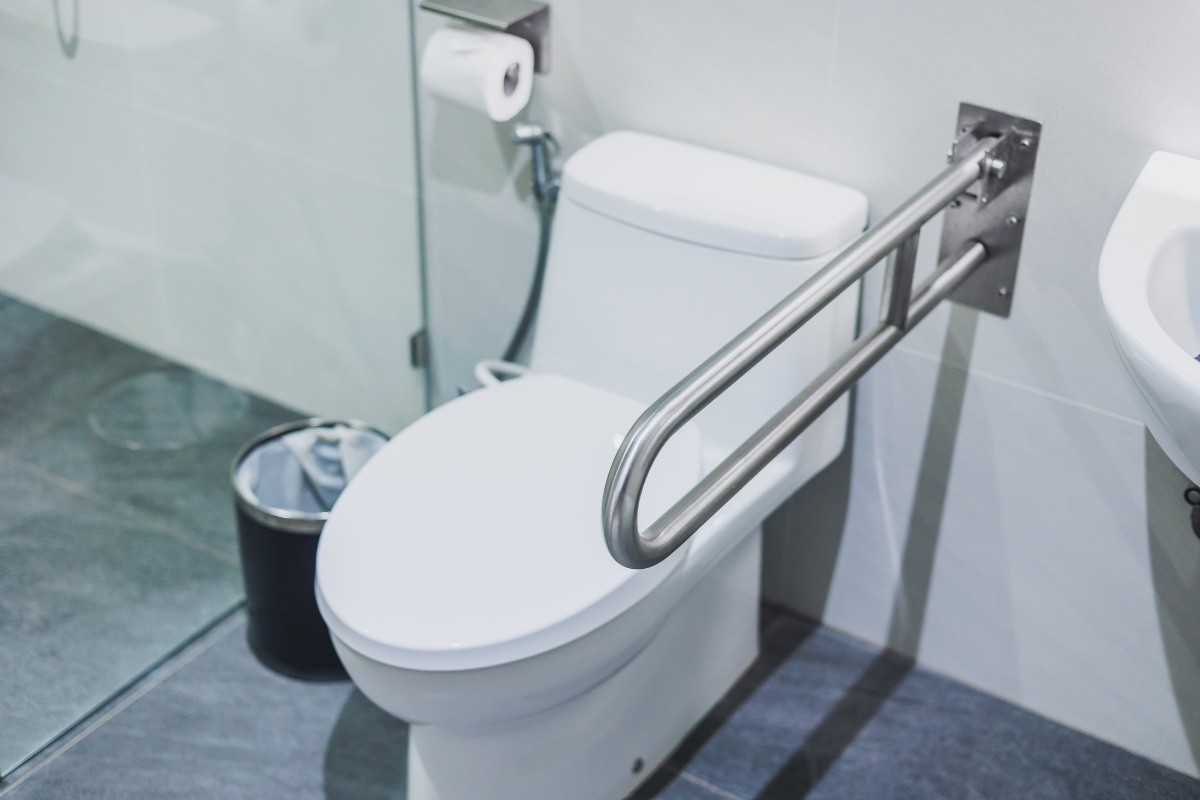
Add a raised toilet seat with handles
Use a shower chair + handheld shower head
Apply non-slip mats or adhesive strips
These changes reduce fall risk, increase independence, and allow your parent(s) to continue daily routines safely.
Bedroom Safety
Use bed rails for support getting in/out of bed
Consider rails with:
Storage pockets
Motion sensor lighting for nighttime
2. Medications and Health Routines
A big part of caring for aging parents at home is making sure medications are taken correctly and consistently. Missed or incorrect doses can quickly lead to hospital visits, worsening chronic conditions, and confusion or fatigue.
Focus on:
Creating a daily routine
Using pill organizers or reminder systems
Keeping medications in a consistent location
For conditions like diabetes, high blood pressure, and bone health, consistency is key to keeping your loved one stable and independent for longer.
3. Mobility and Daily Tasks
Supporting mobility is one of the most important parts of how to care for aging parents at home. The more independently your parent can move, the longer they can safely stay at home.
Common mobility aids:
Canes
Walkers
Rollators
Wheelchairs
Many seniors are very aware of their balance changes—and fear falling. Always take that seriously.
When to involve a medical provider:
Complaints of leg weakness
Any recent fall
Noticeable balance changes
Even a routine visit can prevent future injuries, improve mobility, and extend independence.
4. Safety & Monitoring (Peace of Mind When You’re Not There)
A big part of learning how to care for aging parents at home is figuring out how to keep them safe—even when you can’t be there in person.
Not every caregiver lives nearby. I lived 240 miles away when my parents first started needing help. If they didn’t answer the phone, my mind immediately went to worst-case scenarios.
That’s when I realized—we needed systems in place, not just check-in calls.
Tools That Make a Real Difference
These are some of the most effective ways to monitor safety at home:
In-home monitoring systems (cameras in common areas)
Continuous glucose monitors like the Dexcom G7 continuous glucose monitor
Door alarms or specialized locks (especially for dementia-related wandering)
Wearables with fall detection (watches or pendants)
Emergency alert systems for immediate help
These tools do two important things:
Give you peace of mind
Allow your parent to stay independent longer
What to Prioritize First
If you’re just getting started:
Focus on fall detection or emergency alerts
Add monitoring for high-risk conditions (like diabetes)
Address wandering risks early if memory issues are present
You don’t need everything at once—start with the biggest safety concerns.
5. Memory Support (Reducing Confusion & Daily Stress)
Another essential part of how to care for aging parents at home is supporting memory in a way that feels simple—not overwhelming.
Even small memory lapses can disrupt daily routines. The goal is to create a system that is:
Easy to follow
Visible
Consistent
Simple Tools That Work
Not everything needs to be high-tech. In fact, simpler is often better.
Written notes placed around the home (especially for dementia care)
Voice reminders using apps like Amazon Alexa
Dementia clocks with large date/time displays
Large-print calendars for appointments
Medication logs
Daily task checklists
Keep It Simple (This Matters More Than You Think)
One of the biggest mistakes caregivers make is overcomplicating the system. Too many calendars, notes, lists can actually increase confusion.
What works better:
Keep everything in one central location
Use consistent formats
Reduce visual clutter
Small Changes That Help Immediately
Label drawers (clothing, medications, essentials)
Keep frequently used items in the same place
Simplify the environment as much as possible
These small adjustments can reduce frustration, increase independence, and make daily life smoother for everyone.

Explore Topics




Newsletter
Subscribe now to stay updated with top news!
Subscribe to our newsletter and be the first to access exclusive content and expert insights.
Spotlight


- Sponsored Ad -

Download this check list to help guide you as you begin caring for your aging parent or loved one.